

Musical Nationalism
Throughout music history, composers have used folk elements to express national identity, blending traditional melodies, rhythms, and instruments to reflect their homeland’s spirit. During the Romantic era, many turned to their cultural roots, creating music that embodied their nation’s voice. Let’s explore three examples of musical nationalism.
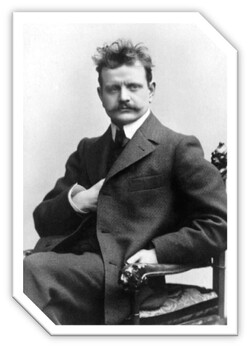

Jean Seblius (1898) © Wikimedia Commons
Jean Sibelius, a celebrated Finnish composer, was known for bringing Finnish folk melodies to global attention. Inspired by Finland’s natural beauty, he gave his music a distinctly Finnish character. His symphonic poem Finlandia, which features the famous “Finlandia Hymn” at the end, powerfully expresses the nation’s struggle and pride. Through this work, Sibelius transformed music into a symbol of Finnish identity and resilience.
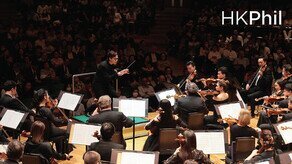
LISTEN: Click the picture below to hear our recording of Sibelius’s Finlandia, conducted by our Finnish Music Director Designate, Tarmo Peltokoski.
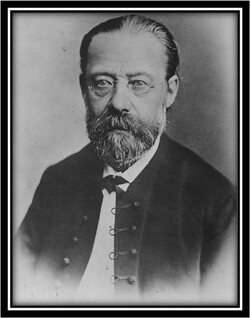

Bedřich Smetana (1880) © Wikimedia Commons
Bedřich Smetana, a pioneering Czech composer, embraced Slavonic musical traditions to assert Czech identity during Bohemia’s rule under the Austro-Hungarian Empire. His symphonic cycle Má vlast (My Fatherland) pays tribute to the land’s history and spirit, with Vltava (The Moldau) vividly tracing the river’s journey through the countryside. By blending Liszt’s symphonic poem form with Czech themes, Smetana created a rich musical portrait of national pride.


The scene by the river Moldau, Adam August Müller (1834) © Wikimedia Commons
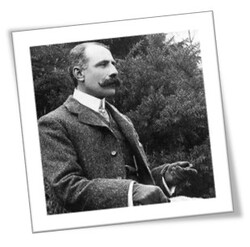

Edward Elgar (1905) © Wikimedia Commons
Marches are often linked to battle, known for bold brass fanfares that boost morale. Yet, they can also inspire national unity. In Britain, Edward Elgar’s Pomp and Circumstance Marches stirred patriotic pride, especially the first march, which became Land of Hope and Glory after lyrics were added. This anthem, sung annually at the BBC Proms and used at Queen Elizabeth II’s coronation, became a lasting symbol of British national pride.


Queen Elizabeth at her coronation (1953) © Wikimedia Commons
Musical nationalism gave composers a powerful means to express their love for their homeland. Through folk melodies, traditional rhythms, and patriotic themes, they created music that not only honoured their cultural heritage but also united their people. These works remain timeless treasures, echoing the heart and soul of nations through melody and emotion.

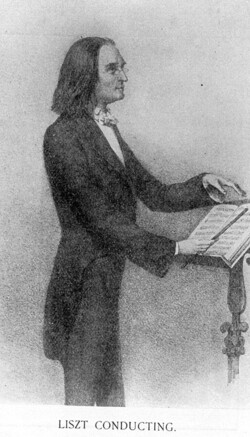
Franz Liszt, the inventor of the Symphonic Poem © Wikimedia Commons
- Symphonic poem: A piece of orchestral music that tells a story or paints a picture.
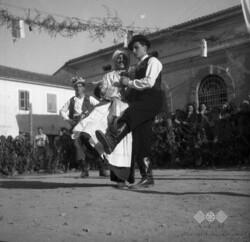
Mazurka, an example of a traditional Folk Dance, usually played with a folk melody © Wikimedia Commons
- Folk melody: A traditional tune passed down through generations.
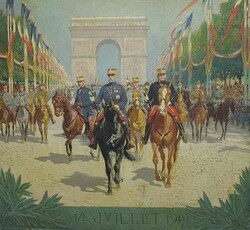
Le défilé de la Victoire 14 juillet 1919, a victory parade by the French Army in 1919 © Wikimedia Commons
- Nationalism: Pride in one’s country and culture
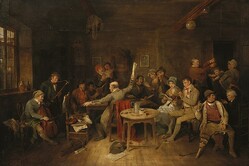
"The Village Choristers" (Edward Bird) (1810) is an example of common folks singing an anthem © Wikimedia Commons
- Anthem: A song that represents a nation or group

- Can you think of music that represents your own culture or country?
- How do composers use instruments or melodies to express national pride?
- What emotions do you feel when listening to music inspired by a place or people?
By Kent Lam (2025)