

Encore! Famous Songs from Opera and Musicals
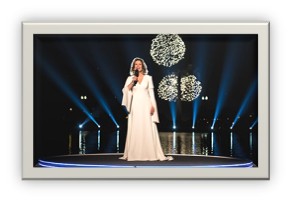


Soprano Renée Fleming performing in 2018 © "Renée Fleming July 4 2018 Zachary Glenn Capital Concerts" by Dnagz is licensed under CC BY-SA 4.0

Musicals and operas have been entertaining audiences for centuries. They combine storytelling, music, and emotion in a way that connects with people on a deep level. Composers have created unforgettable songs and arias that continue to inspire listeners of all ages. Singers like Renée Fleming have become famous for bringing these pieces to life.
Many of these pieces are so popular that singers often choose them as encores – the special songs performed at the end of a concert when the audience asks for more. Let’s take a look at a few standout examples that audiences love to hear again and again.
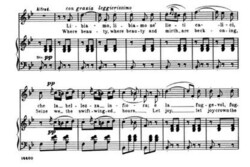

The Drinking Song (Brindisi) by Verdi © Wikimedia Commons
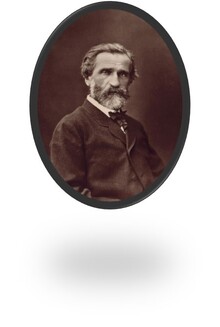

Composer Giussepe Verdi (1870) © Wikimedia Commons
Verdi's Brindisi- A Celebration in Song
The first example is “Libiamo ne’ lieti calici” (“Let’s drink from the joyful cups”), famously known as The Drinking Song from Verdi’s La Traviata. One of the most recognisable arias in opera, this lively duet is styled as a brindisi — an Italian drinking song — inviting everyone to raise their glasses and celebrate life. Unlike many arias that explore sorrow or solitude, this piece radiates joy and festivity. Its infectious melody encourages listeners to join the revelry, dance, and momentarily leave their worries behind.
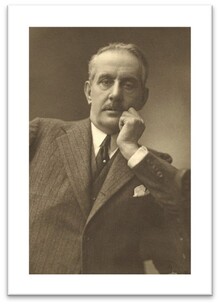

Composer Giacomo Puccini (1924) © Wikimedia Commons


Renée Fleming (2011) © "Renee Fleming - Copenhagen, Tivoli 2011" by Bill Ebbesen is licensed under CC BY-SA 3.0

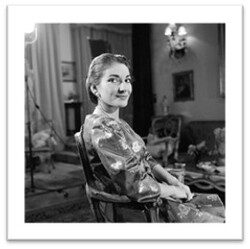

Maria Callas (1958) © Wikimedia Commons
Puccini’s “O mio babbino caro” – A Simple, Heartfelt Plea
The next example is “O mio babbino caro” (“Oh, my dear Papa”), a tender and emotionally rich aria from Giacomo Puccini’s Gianni Schicchi. In this piece, a young woman named Lauretta pleads with her father for permission to marry the man she loves, despite a feud between their families. Unlike dramatic or virtuosic arias, this one stands out for its simplicity and heartfelt sincerity. Over time, many famous sopranos, including Maria Callas and Renée Fleming, have made this piece one of their signature encores because it connects so easily with audiences.
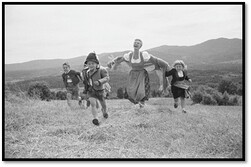

The Sound of Music (1959) © Wikimedia Commons
“The Sound of Music” – A Song That Stays With You
Distinct from the previous examples, the final example comes from the musical The Sound of Music. For many people, this show brings back childhood memories, especially the voice of Julie Andrews singing its well known songs. The title song, “The Sound of Music” opens the musical, with its protagonist Maria Rainer standing on a mountainside, expressing how much she loves the beautiful nature around her. This remarkable song has lived in the hearts of millions and remains one of the most recognizable songs in musical theatre.
- Encore : A special song performed at the end of a concert when the audience asks for more
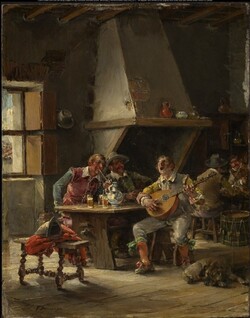
Francisco Domingo Marqués, Drinking Song (1890) © Wikimedia Commons
- Brindisi: A traditional Italian drinking song
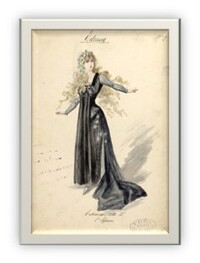
Costume design for opera Edmea act 2 (1886) © Wikimedia Commons
- Aria: A solo vocal piece in an opera
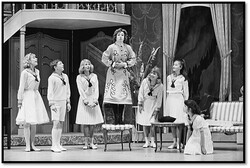
The Sound of Music musical (1964) © Wikimedia Commons
- Musical: A form of theatrical performance that tells a story using songs, dialogue, acting, and dance
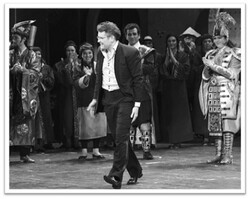
Conductor Airat Ichmouratov after a performance of the opera Turandot (1964) © Wikimedia Commons
- Opera: A dramatic art form, originating in Italy, that uses music and singing to tell a story

Finding Your Own Favourites
As you explore operas and musicals, you’ll probably find songs that speak to you personally – pieces that make you feel something, tell a story you relate to, or simply stay stuck in your head.
Imagine you are the star of a concert. The audience is clapping and cheering for one more song – your encore!
1. Pick a piece: Choose a song or aria from a musical or opera that resonates with you.
2. Explain why: Write a short paragraph about why you chose it. What is the story or message behind the song? Does it show off your personality, your emotions, or just make people smile?
3. Design the moment: Close your eyes and imagine the setting – are you on a grand stage, in a small theatre, or outdoors under the stars? How do you feel as the orchestra begins playing and the music builds?
Let your imagination take over and enjoy the journey. Find a favourite recording and sing or hum along!
By Kent Lam (2025)