

Breathing Life into Moving Images
A film composer plays a powerful role in shaping the emotional impact of moving images. It is music that brings these visuals to life, creating depth and meaning behind the screen. Let’s explore the fascinating world of film music and discover how composers and directors work together to craft unforgettable cinematic experiences.
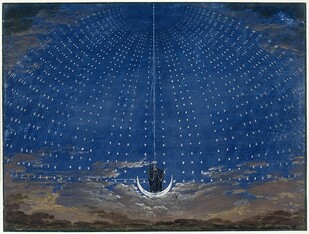

Painting for a stage design to The Magic Flute (1815), Karl Friedrich Schinkel © Wikimedia Commons
Before the age of cinema, people found entertainment in live theatre. From the 17th to the early 19th century, opera was a popular form of dramatic art, with masterpieces like The Magic Flute, Turandot, and Tannhäuser captivating audiences. Alongside opera, incidental music – composed specifically for theatrical productions – played a vital role in storytelling. Works like Peer Gynt Suite, A Midsummer Night’s Dream, and The Ruins of Athens were performed with narrators and actors, requiring conductors to synchronise the orchestra with the script. This early practice laid the foundation for what we now recognise as film music.
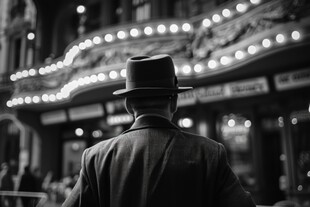

Cinema Scene from 20th Century © AI generated Image (Freepik)
As cinema entered its golden age, the term "film" became familiar to the general public. Classical composers such as Ralph Vaughan Williams and Dmitri Shostakovich began contributing to film scores, bringing their orchestral expertise to the screen.
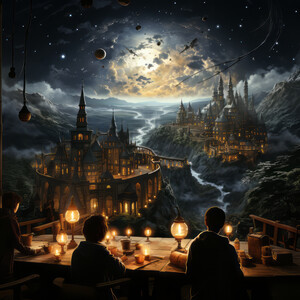

Harry Potter Scene © AI generated Image (Freepik)
When we think of great film composers today, names like John Williams and Hans Zimmer stand out. Their epic scores have become iconic. As director Steven Spielberg once said:
“Without John Williams, bikes don’t really fly, nor do brooms in Quidditch matches, nor do men in red capes. There is no Force, dinosaurs do not walk the Earth, we do not wonder, we do not weep, we do not believe.”
This quote highlights the essential role of the film composer and the importance of collaboration between composers and directors. Most importantly, it showcases John Williams’ remarkable legacy in the film music industry.
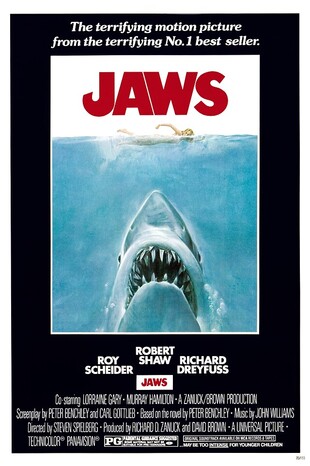
Jaws movie poster (1975) © "Jaws movie poster" by Roger Kastel is in the Public Domain, CC0
How does a film composer create a compelling score? To enhance a film’s emotional impact and keep audiences engaged, composers employ a range of techniques – one of the most vital being the use of contrast and tension. Contrast involves dynamic shifts in tone, texture, and musical colour. Without it, a score can become repetitive and uninspiring, diminishing the viewer’s emotional connection. By varying dynamics, instrumentation, and harmony, composers maintain narrative momentum and emotional depth.
In The King’s Speech (2010), Alexandre Desplat underscores King George VI’s wartime address with Allegretto, the second movement from Beethoven’s 7th Symphony. The movement’s solemn, funeral march-like rhythm evokes both majesty and despair, amplifying the historical weight of the speech. Tension is also heightened through music in Jaws (1975), where John Williams’ iconic “Shark Theme” begins with low, foreboding double bass notes that gradually crescendo, mirroring the shark’s approach and intensifying the audience’s fear and anticipation as danger draws near intensifying the audience’s sense of fear and anticipation.
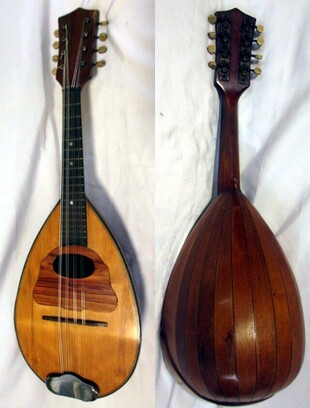
Mandolin © "Mandolin instrumap.jpg" by Jo Dusepo is licensed under CC BY 4.0
Instrumentation also plays a key role in storytelling. Some composers use historical or culturally specific instruments to reflect character identity and setting. In Sherlock Holmes: A Game of Shadows, Hans Zimmer incorporates the mandolin – often associated with Romani music – to evoke the heritage of Madame Simza Heron, a Gypsy fortune-teller. This choice helps transport the audience to 19th-century Europe. In another Zimmer score, The Last Samurai (2003), the shakuhachi – a traditional Japanese bamboo flute – was used to captures the cultural essence of Japan during the Meiji period (1868 –1912), grounding the film in its historical context.

Frozen Movie logo © "Frozen Logo (Black) " by Walt Disney Animation Studios is in the Public Domain, CC0
Another powerful technique is the creation of memorable, emotionally resonant themes. Disney films excel in this area: songs like Let It Go from Frozen and Under the Sea from The Little Mermaid are not only catchy but also encapsulate the spirit of their characters and stories. In family-friendly films, such music evokes joy, wonder, and nostalgia, creating magical moments that linger in the hearts of audiences long after the time from world of fantasy land


Film Production © AI generated Image (Freepik)
Producing a large-scale film score involves many professionals beyond the composer. Music editors, orchestrators, arrangers, and sound designers all contribute to the final product. These team members are essential, supporting the composer in bringing the music to life.
Becoming a great film composer is a journey that demands not only talent and vision, but also the support of a dedicated team. Together, they craft the soundscapes that make movies truly unforgettable.
Do you have a favourite film score that resonates with you?

- Contrast: Making parts of music different from each other so it sounds interesting. For example, loud and soft, fast and slow, or happy and sad. It keeps the music from being boring.
- Tension: This is when the music feels like something exciting or surprising is about to happen. It makes you want to hear what comes next, like a cliff-hanger in a story.
- Mandolin: A mandolin is a small instrument like a tiny guitar with 8 strings. You play it by plucking the strings, and it makes a bright, happy sound.

- What is your favourite film music? Is there any movie music you find fun or interesting?
- How did that music make you feel? Which emotions were the strongest when you heard it?
- Do you like listening to film music with earphones or in a large cinema? Which feels better to you?
By Kent Lam (2025)