Remembering World War One – Part II: Music Stories of Soldiers and Civilians
Sat 8pm
Grand Hall,
Lee Shau Kee Lecture Centre,
Centennial Campus,
The University of Hong Kong
Venue Information
Grand Hall, Lee Shau Kee Lecture Centre, The University of Hong Kong

Programme
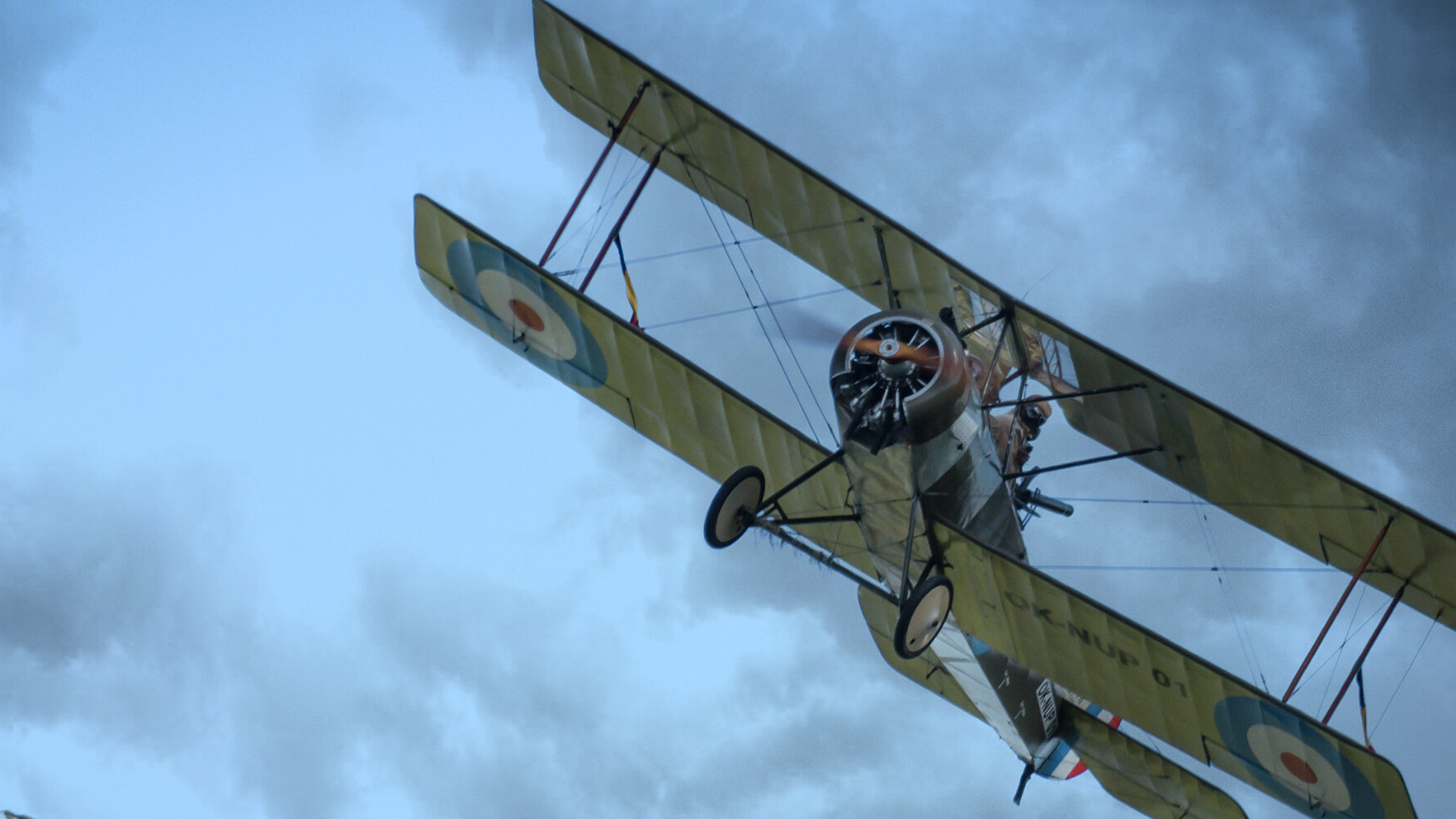
The second concert recalls the suffering of both soldiers and civilians in wartime. Butterworth was killed by a sniper while Webern served in the Austrian army for much of the First World War. Soviet military orchestra conductor and composer Agapkin wrote his patriotic march in honour of the women who had to be parted from their menfolk in the First Balkan War. Although Holst had been rejected for military service because of ill-health, he worked as a volunteer using music to rehabilitate traumatised soldiers. Debussy was too old and ill to serve in the war, but he described his Noël des enfants qui n'ont plus de maisons as “a prayer from the French children that the Germans should have no Christmas”.
To keep up morale in the Viennese population during the war, J Strauss I’s Radetzky March was particularly effective, while in America, Cohan’s song Over There was used to galvanise public opinion in support of the Allied cause.
Artists

- No eating or drinking
- No photography, recording or filming
- Please turn off your mobile phone and other electronic devices
- Please keep noise to a minimum during the performance
- Please reserve your applause until the end of the entire work